The best European river to cruise depends less on the scenery, which is beautiful on all of them, and more on how each river fits the way you actually like to travel.
The Danube: Best for First-Time River Cruisers
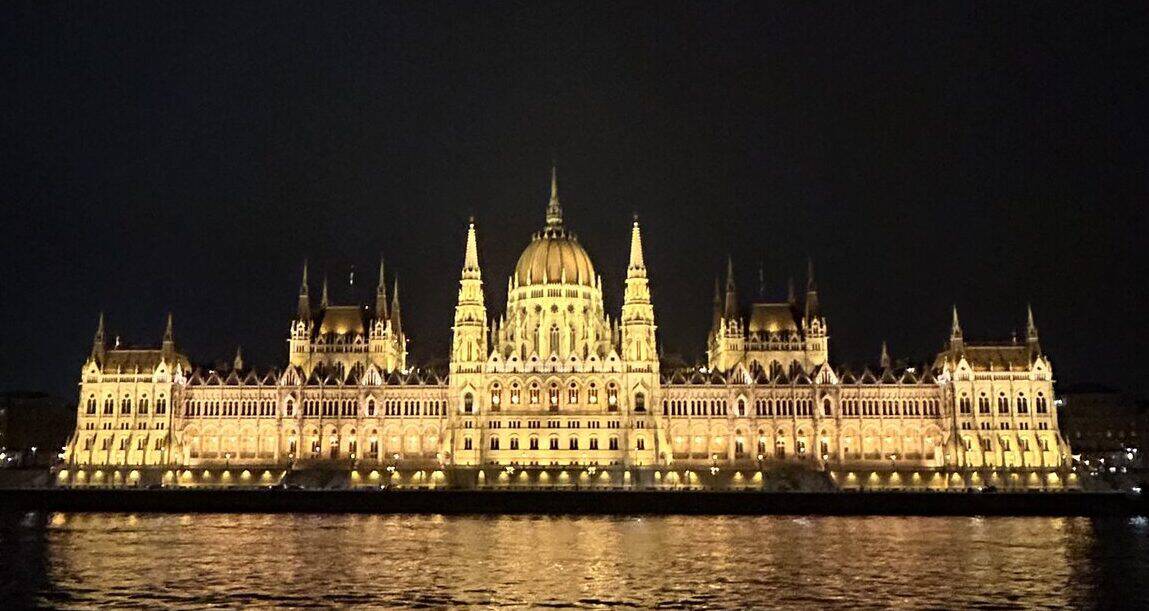
The Danube is usually where I point people who have never done a river cruise before, and it’s not just because of the castles. Docking locations do a lot of the work here. In Budapest, Bratislava, Melk, and Dürnstein, you can typically walk right off the ship into town, no bus required. Vienna is the one exception, about a ten minute ride out since the Danube doesn’t run through the city center, but that’s the outlier, not the pattern.
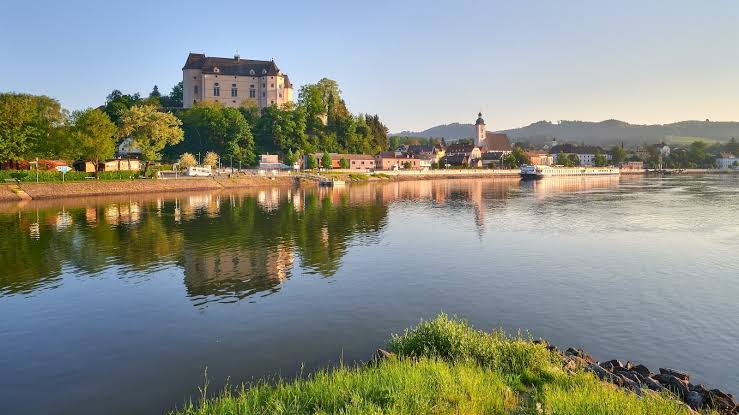
Cruising through Austria’s Wachau Valley is one of the highlights most people remember, hillsides quilted with vineyards and apricot orchards, and Melk’s eleventh-century abbey is worth the stop on its own. I took my own mother on a Danube cruise once when she had zero interest in going to Budapest, and by the time we left, she’d genuinely fallen for a place she’d written off before she ever landed. That’s what easy access to a destination does for a trip.
The Rhine: Best for Castle and Wine Lovers Who Don’t Mind a Little More Bus Time
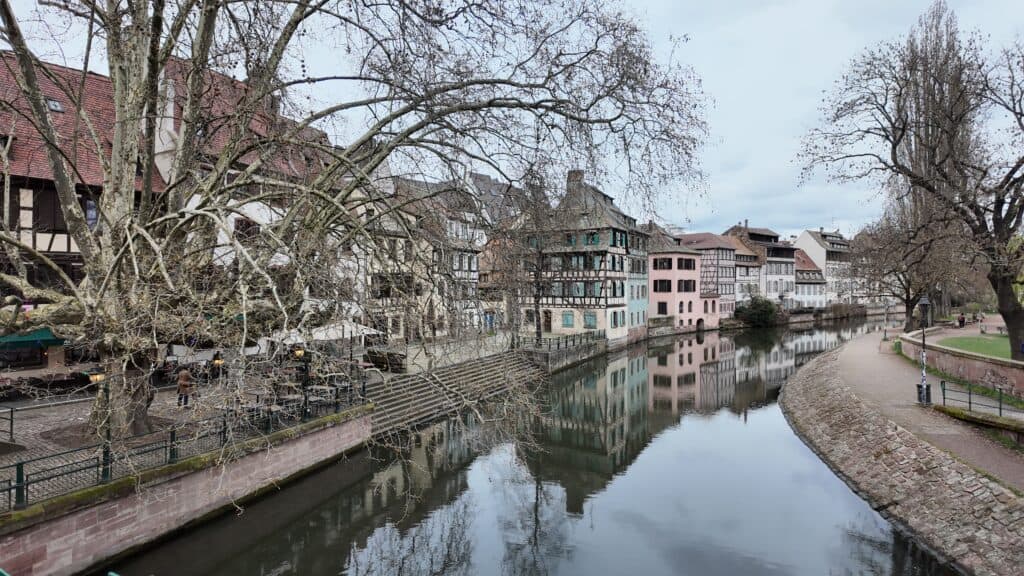
The Rhine is dramatic in a way the Danube isn’t, the Rhine Gorge alone gives you castle ruins clinging to cliffs for a genuinely long stretch of scenic sailing. Towns like Rüdesheim sit directly on the river, but plenty of the itinerary involves getting on a coach first, Colmar runs about thirty minutes, Strasbourg closer to fifteen, and a stop in Cologne can mean an hour each way.
I’ve sailed the Rhine myself and biked along it in Düsseldorf, and the wine culture along this river is genuinely special, family-owned vineyards, tastings that feel personal rather than staged. If you’re choosing the Rhine specifically for the wine and the castles, the extra bus time is a fair trade. If minimizing transit time matters more to you, the Danube is usually the better starting point.
The Seine: Best for Art Lovers and Anyone Chasing a Specific Moment
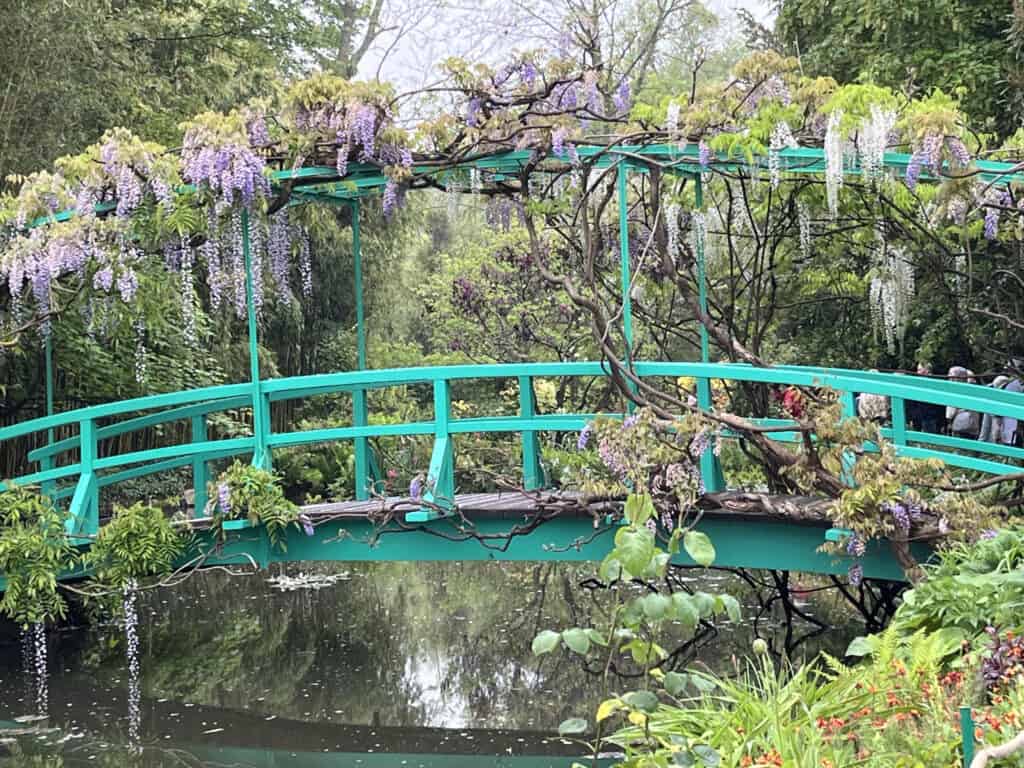
The Seine is France as most people picture it, Paris on one end, Normandy and Monet’s gardens in Giverny along the way. I had a couple where the wife loves Monet, and on their Seine cruise, she got two hours alone in his gardens before they opened to the public. That’s the kind of access that makes a Seine cruise worth choosing specifically, rather than as a generic “France” trip.
Normandy adds real weight to the itinerary too, a stop at the American Cemetery and Omaha Beach is a genuinely moving contrast to the wine tastings and garden visits elsewhere on the route.
The Douro: Worth Knowing the Honest Tradeoffs

The Douro gets recommended a lot as a quiet, scenic alternative to the busier rivers, and the scenery, terraced vineyards, sun-warmed towns, is real. But I don’t usually steer first-time river cruisers toward it. There’s no sailing at night on the Douro, and the towns aren’t right on the river the way they are on the Danube, so you end up spending more time on a bus than most people expect going in.
That doesn’t make it a bad choice. For an experienced river cruiser who already knows they love the format and wants a quieter, more wine-focused trip with fewer crowds, the Douro can be a wonderful second or third river. I just wouldn’t make it someone’s introduction to river cruising.
The Rhône: Best for Food-Focused Travelers

The Rhône leans into France’s culinary reputation, with Lyon, truffle markets, the Papal Palace in Avignon, and Van Gogh’s Arles all part of the appeal. For travelers specifically chasing a food- and wine-focused itinerary through Provence, it can be a very strong fit.
I’ll be sailing the Rhône myself this fall with Tauck, so I’ll have much more firsthand perspective on this river soon. For now, my recommendation is based on the itineraries I’ve researched, the way I’ve matched clients to this region, and what I’ve heard from colleagues who know the route well.
How to Choose the Right River for You
When people ask me about the best European rivers to cruise, I don’t give everyone the same answer. I start with how they want the trip to feel.
If this is your first river cruise, start with the Danube. If wine and castles matter more to you than minimizing bus time, look at the Rhine. If you’re chasing a specific artistic or historical moment, the Seine is worth a close look. If you already know you love river cruising and want something quieter, the Douro is worth considering on a second trip. And if food is the whole reason you’re going, the Rhône deserves a look.
None of these are wrong choices. The point isn’t finding an objective winner, it’s matching the river to what you’re actually hoping to get out of the week.
River Cruise Basics
How long should I plan for a river cruise? Most run 7 to 10 days. Some lines offer extended itineraries that stretch closer to three weeks if you want to combine rivers or add pre and post extensions.
What’s included in the price? River cruise fares typically include your cabin, meals, and at least some shore excursions, but drinks, gratuities, transfers, specialty experiences, and other inclusions vary considerably by cruise line. That’s why I compare what you’ll actually pay for the trip rather than looking only at the starting fare.
Are river cruises accessible for travelers with mobility concerns? It depends heavily on the ship and itinerary. Many river ships have elevators and some cruise lines offer gentler-paced excursion options, but cobblestones, stairs, steep gangways, and walking distances can still be part of the experience. This is something I look at itinerary by itinerary rather than assuming a particular river will work for every traveler.
Is it safe to cruise solo? Generally yes. River cruises run in small groups with a lot of built-in structure, and many lines now offer solo cabins with reduced or waived single supplements.
Can I cruise in the winter? Yes, especially for Christmas Market itineraries on the Danube and Rhine. Pack warm layers, the ships are cozy, but you’ll want real outerwear for time in port.
Ready to Choose Your River?
If you’re trying to figure out which of these rivers actually fits how you want to travel, that’s exactly the kind of planning conversation worth having before you book. Start with my free River Cruise Preview Guide, and when you’re ready to compare real itineraries, dates, and cabins, schedule a consultation and we’ll find the right match together.


